
Hindu Deities
Discover the gods and goddesses of Hinduism — the Trimurti (Brahma, Vishnu, Shiva), the divine feminine (Lakshmi, Saraswati, Durga), avatars, and beloved devas.
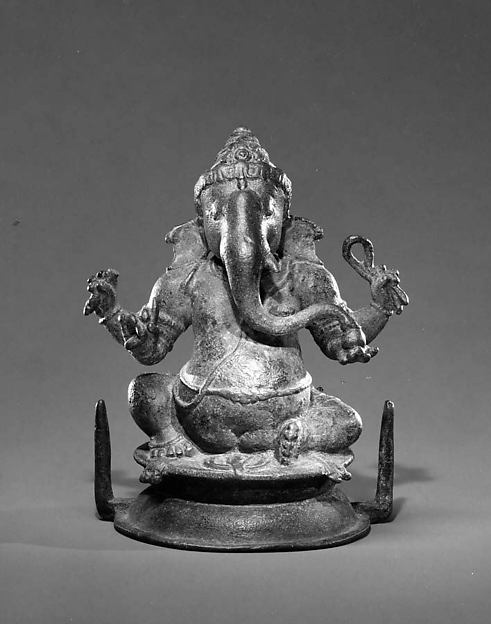
Ganesha
गणेश
Ganesha is one of the most widely worshipped deities in Hinduism, revered as the remover of obstacles, the patron of arts and sciences, and the god of intellect and wisdom. As the son of Shiva and Parvati, he holds a unique position in the Hindu pantheon and is traditionally invoked at the beginning of every new venture, ritual, and prayer. His elephant head symbolizes wisdom, understanding, and a discriminating intellect, while his large ears signify the importance of listening. Ganesha represents the perfect balance between the spiritual and material worlds, making him beloved by devotees across all traditions and regions.
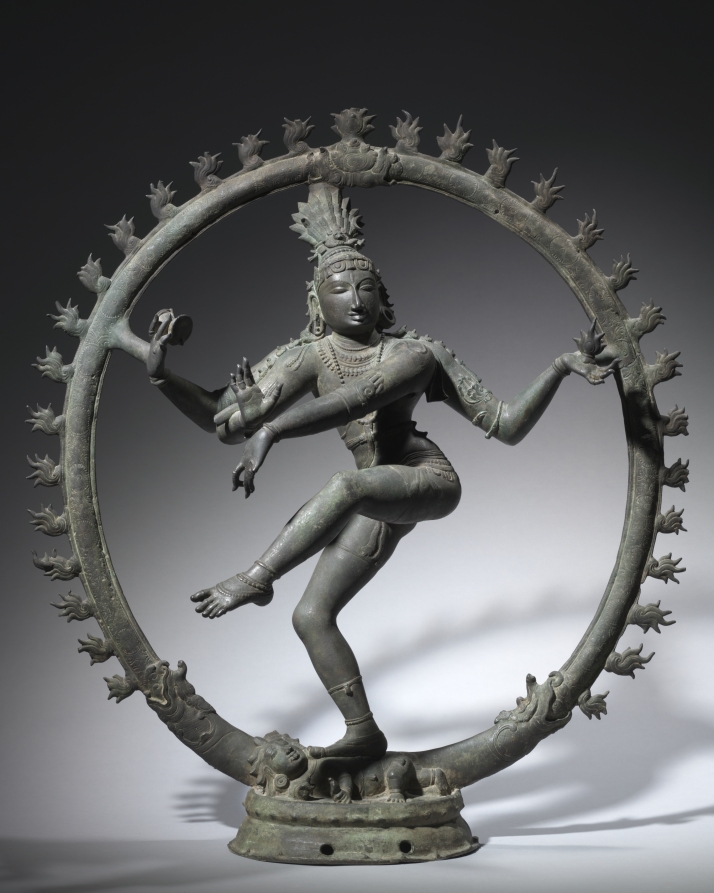
Shiva
शिव
Shiva is the supreme deity of the Trimurti who embodies the cosmic functions of destruction and transformation, clearing the way for new creation. Known as Mahadeva (the Great God), he is both the fierce ascetic meditating on Mount Kailash and the loving householder devoted to his consort Parvati. Shiva transcends dualities, being simultaneously the destroyer and the benefactor, the terrifying Rudra and the gentle Bholenath. His devotees revere him as the ultimate reality — Brahman itself — the formless, limitless, unchanging absolute that pervades all of existence.
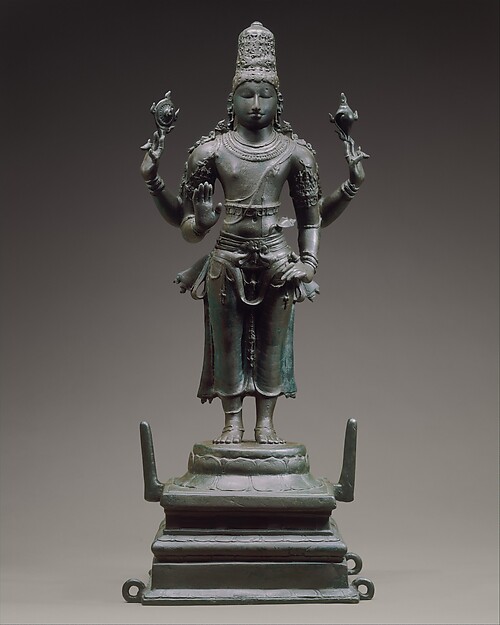
Vishnu
विष्णु
Vishnu is the Preserver among the Hindu Trimurti, responsible for maintaining the cosmic order (dharma) and sustaining the universe through cycles of creation and dissolution. He is believed to rest on the cosmic serpent Shesha in the primordial ocean of milk (Kshirasagara), awakening whenever the balance between good and evil is disrupted. Vishnu incarnates on earth in various forms known as avatars — ten principal ones according to the Dashavatara tradition — to restore righteousness. His boundless compassion and unwavering commitment to dharma make him central to Vaishnavism, one of the largest denominations within Hinduism.
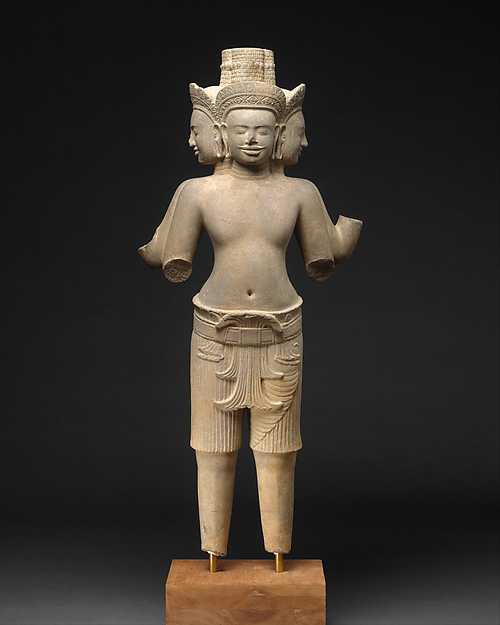
Brahma
ब्रह्मा
Brahma is the Creator deity of the Hindu Trimurti, responsible for the creation of the universe, all living beings, and the Vedas themselves. Often called Pitamaha (the Grandfather), he is believed to have created the world from a cosmic golden egg (Hiranyagarbha) and to have given form to all things through his divine will. Though essential to the cosmic cycle, Brahma is the least worshipped of the Trimurti, with very few temples dedicated solely to him. His role as creator is seen as having been fulfilled, while Vishnu and Shiva continue their ongoing work of preservation and transformation.
Krishna
कृष्ण
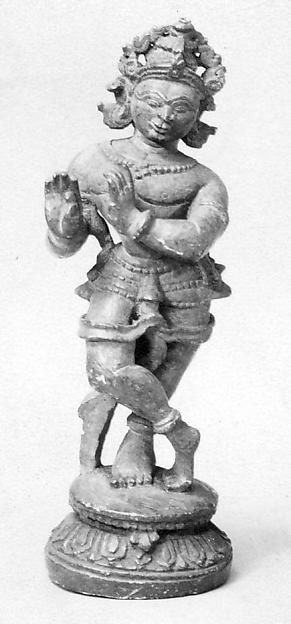
Krishna is the eighth avatar of Vishnu and one of the most beloved deities in Hinduism, worshipped as the Supreme Being in many traditions, particularly within Gaudiya Vaishnavism and the broader Bhakti movement. His life story, from the mischievous butter-stealing child of Vrindavan to the wise charioteer who revealed the Bhagavad Gita to Arjuna on the battlefield of Kurukshetra, encompasses the full spectrum of human and divine experience. Krishna's teachings in the Gita, emphasizing selfless action (nishkama karma), devotion (bhakti), and knowledge (jnana), form the philosophical cornerstone of Hindu thought. He embodies divine love, playfulness, and supreme wisdom, making him accessible to devotees through both the intimate sweetness of his childhood pastimes and the profound depth of his philosophical discourse.
Rama
राम
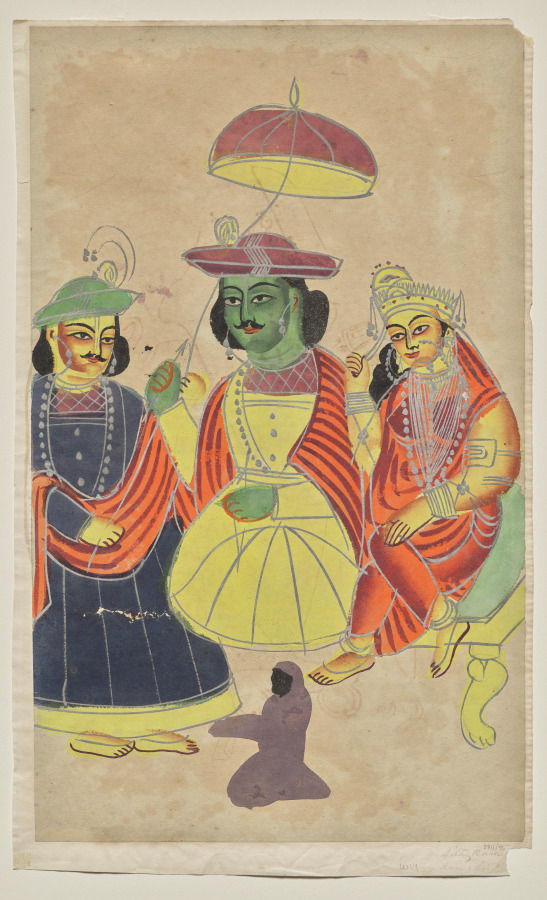
Rama is the seventh avatar of Vishnu, revered as the embodiment of dharma and the ideal man (Maryada Purushottam). His life story, narrated in the epic Ramayana composed by Sage Valmiki, presents the model of the perfect son, husband, brother, and king who upholds righteousness even at tremendous personal cost. Exiled from his kingdom for fourteen years, Rama faced the abduction of his wife Sita by the demon king Ravana, leading to an epic war in Lanka that demonstrated the ultimate triumph of good over evil. His story has profoundly shaped Indian civilization, ethics, governance, and spiritual practice for millennia, inspiring devotion across South and Southeast Asia.
Hanuman
हनुमान
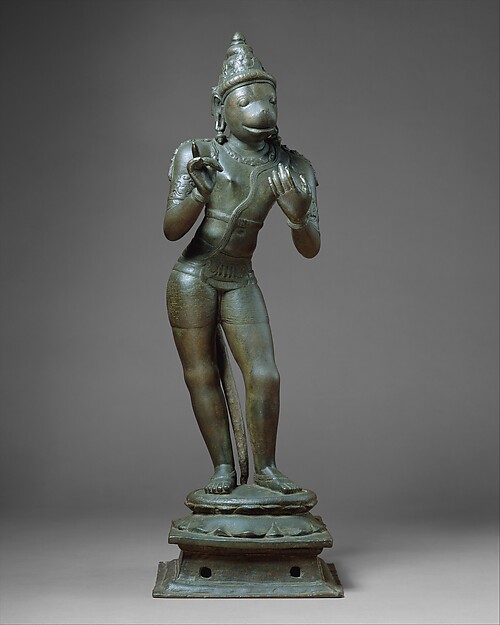
Hanuman is the mighty vanara (monkey-faced) deity revered as the supreme symbol of devotion, selfless service, and unwavering loyalty to Lord Rama. As the son of Vayu (the wind god) and Anjana, he possesses incredible supernatural powers including the ability to fly, change size at will, and move mountains. His central role in the Ramayana, where he served as Rama's greatest ally in the war against Ravana, has made him the most celebrated devotee in Hindu tradition. Hanuman represents the ideal of perfect bhakti (devotion), demonstrating that through selfless love and surrender to God, one can achieve extraordinary feats and transcend all limitations.
Lakshmi
लक्ष्मी
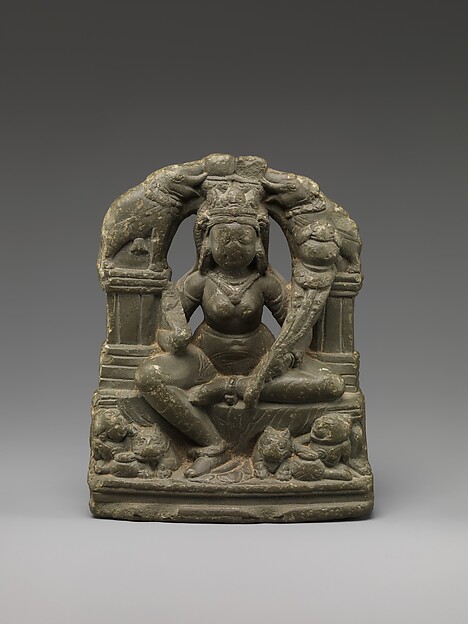
Lakshmi is the Hindu goddess of wealth, fortune, prosperity, beauty, and abundance in both the material and spiritual realms. As the consort of Vishnu, she accompanies him in each of his incarnations — as Sita with Rama, as Rukmini and Radha with Krishna — embodying the grace and nurturing energy that sustains creation. She emerged from the churning of the cosmic ocean (Samudra Manthan) in radiant beauty, choosing Vishnu as her eternal consort. Lakshmi represents not merely material wealth but the richness of a fulfilled life, including spiritual wealth, health, knowledge, and the prosperity that comes from righteous living.
Saraswati
सरस्वती
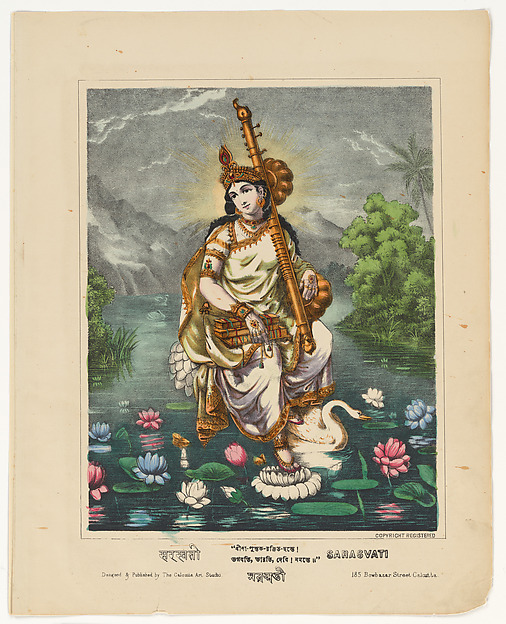
Saraswati is the Hindu goddess of knowledge, music, arts, speech, wisdom, and learning, revered as the embodiment of intellectual and creative power. As the consort of Brahma, she represents the knowledge and wisdom necessary to bring order and meaning to creation. Unlike other deities adorned with gold and jewels, Saraswati is dressed in pure white, signifying the purity of true knowledge that transcends material attachment. She is the patroness of students, scholars, artists, musicians, and anyone engaged in the pursuit of knowledge, and her blessings are sought before beginning any educational or creative endeavor.
Durga
दुर्गा
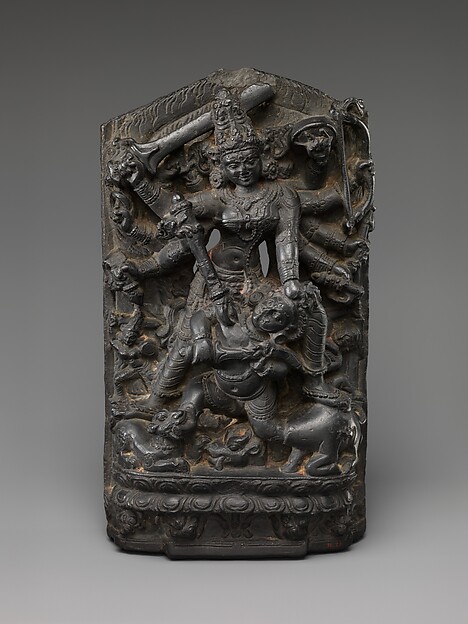
Durga is the invincible warrior goddess who embodies the fierce, protective aspect of the Divine Mother (Adi Shakti), created from the combined energies of all the gods to vanquish the buffalo demon Mahishasura whom no god could defeat alone. She represents the primordial creative force (Shakti) that drives the universe and protects the cosmic order from the forces of evil and ignorance. Her very name means "the invincible" or "one who is difficult to approach for the wicked," signifying her role as the ultimate protector of the righteous. Durga is worshipped with immense fervor during Navaratri, the nine-night festival that celebrates her triumph over Mahishasura and the supremacy of divine feminine power.
Parvati
पार्वती
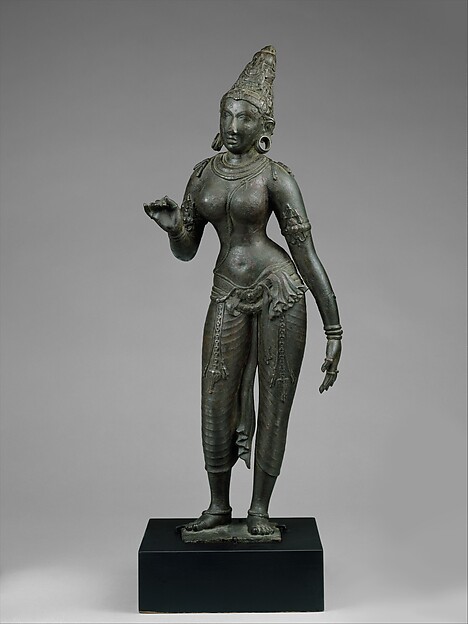
Parvati is the Hindu goddess of fertility, love, beauty, marriage, harmony, and devotion, worshipped as the gentle and nurturing aspect of the Divine Mother (Adi Shakti). She is the daughter of the mountain king Himavan and is the devoted wife of Shiva, their union representing the perfect balance of consciousness (Shiva) and creative energy (Shakti). Through her unwavering devotion and austere penance, she won the love of the ascetic Shiva, demonstrating that love, patience, and perseverance can melt even the most immovable heart. As the mother of Ganesha and Kartikeya, she embodies maternal love and the nurturing force that sustains family and society.
Kartikeya
कार्तिकेय
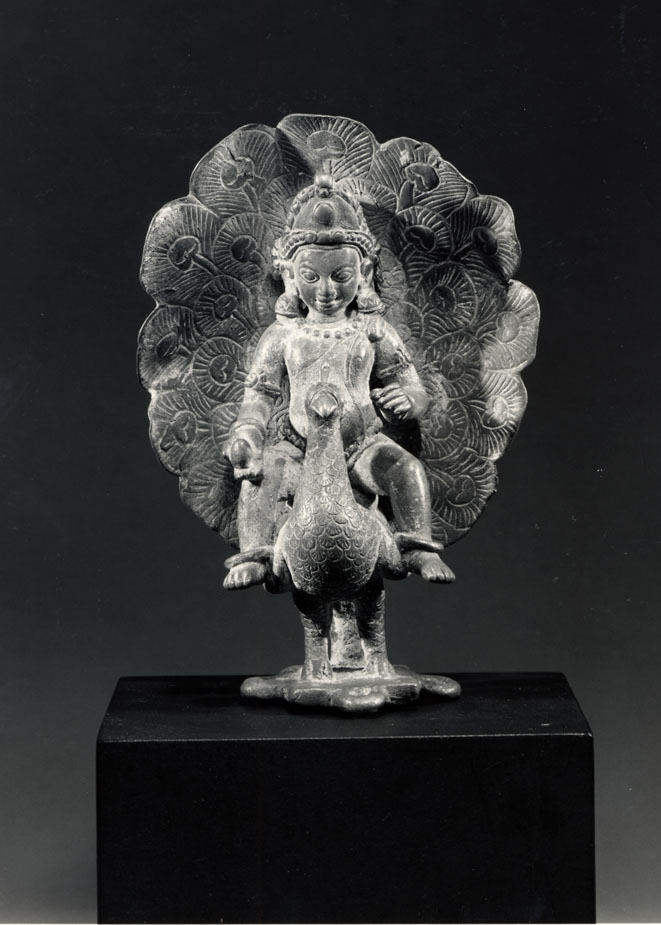
Kartikeya is the Hindu god of war, victory, and valor, and the commander-in-chief (Senapati) of the divine army of the devas. He is the elder son of Shiva and Parvati (though in some traditions, the younger), and the brother of Ganesha. Born to lead the gods to victory against the invincible demon Tarakasura, Kartikeya embodies courage, martial excellence, and the focused spiritual energy needed to overcome formidable obstacles. He is especially popular in South India, where he is worshipped as Murugan or Subrahmanya, and is considered the patron deity of Tamil Nadu, revered for granting wisdom, strength, and spiritual liberation to his devotees.